

Why Are Bimetallic Washers Essential for Modern Electronics?
In the world of electronics, joining dissimilar metals like copper and aluminum is a common necessity for creating efficient electrical connections. However, this practice introduces a significant risk: galvanic corrosion. This electrochemical process can degrade connections, leading to poor performance, overheating, and eventual system failure. To solve this critical issue, engineers rely on bimetallic washers. These specialized components act as a crucial barrier, preventing corrosion while ensuring a reliable and durable electrical joint. This guide explores the vital role of bimetallic washers in electronics components, from transformers and switchgear to circuit boards, ensuring their longevity and safe operation.
What Are Bimetallic Washers?
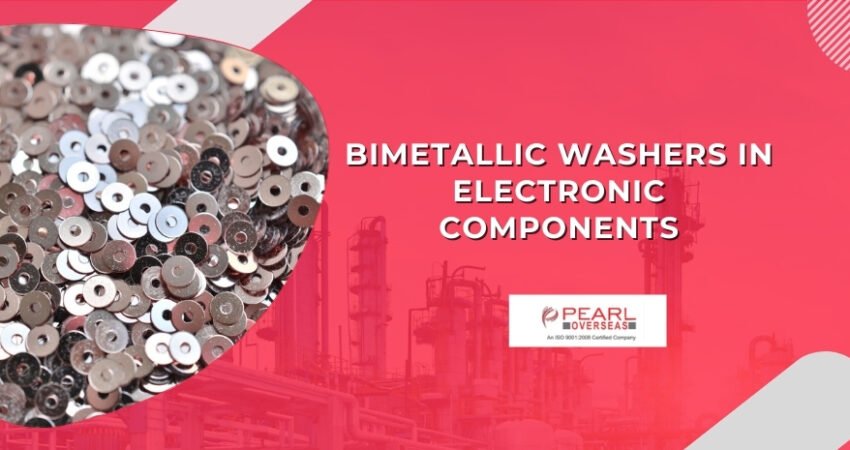
A bimetallic washer is a composite component made by bonding two different metals together, most commonly copper and aluminum. This is typically achieved through a high-pressure cold-rolling process that creates a strong, inseparable metallurgical bond. The primary purpose is to create a safe transition between a copper conductor and an aluminum conductor.
- Purpose: They serve as a protective interface to prevent galvanic corrosion that occurs when two dissimilar metals are in direct contact in the presence of an electrolyte.
- Working Principle: By placing the washer between the two metals (e.g., a copper busbar and an aluminum cable lug), the copper side of the washer contacts the copper surface, and the aluminum side contacts the aluminum surface. This eliminates the direct dissimilar metal contact point, stopping corrosion.
- Key Advantage: They provide excellent corrosion resistance while maintaining low contact resistance and ensuring a stable, long-lasting electrical connection.
Key Applications of Bimetallic Washers in Electronics
The use of copper-aluminum bimetallic washers is widespread across various electronic and electrical systems where reliability is paramount. Their ability to ensure stable, corrosion-free connections makes them indispensable.
- Switchgear and Control Panels: In power distribution, they are used to connect aluminum busbars to copper components, preventing overheating and electrical faults.
- Transformers and Power Distribution Units: They ensure secure and long-lasting connections between copper windings and aluminum terminals, which is critical for high-voltage applications.
- Battery Terminals: Used in large battery banks and automotive applications to connect copper cables to aluminum terminals, preventing corrosion and ensuring a steady flow of current.
- Circuit Boards (PCBs): In some high-power applications, they are used to mount aluminum heat sinks or connectors to copper tracks, guaranteeing conductivity and structural integrity.
Factors That Ensure Bimetallic Washer Reliability
The effectiveness of a bimetallic washer depends on several key factors. Choosing a high-quality washer is essential for preventing failures in critical electronic systems. You may also like: Advantages and Disadvantages Of Bimetallic Washers
- Material Quality: The use of high-purity, electrical-grade copper and aluminum is fundamental for ensuring high conductivity and corrosion resistance.
- Bonding Integrity: The bond between the copper and aluminum layers must be perfect, without any gaps or delamination, to withstand mechanical stress and thermal cycling.
- Thermal Stability: The washer must be able to operate across a wide range of temperatures without losing its mechanical or electrical properties.
- Precision Manufacturing: Accurate dimensions, a smooth surface finish, and proper thickness are crucial for ensuring a tight, secure fit that maximizes surface contact and conductivity.
Best Practices for Maintenance and Replacement
To ensure long-lasting performance, proper installation and maintenance are key. While bimetallic washers are designed for durability, regular checks in high-stress environments can prevent unexpected failures.
- Correct Installation: Always follow the manufacturer’s guidelines for torque specifications. Overtightening can damage the washer, while under-tightening can lead to a loose connection and overheating.
- Regular Inspections: Periodically inspect connections for any signs of corrosion, discoloration, or deformation, especially in harsh or high-vibration environments.
- Timely Replacement: Replace any washers that show signs of damage, cracking, or severe corrosion. Using a new, high-quality washer is essential for maintaining system integrity.
Conclusion
In summary, bimetallic washers in electronics components are not just simple hardware; they are critical engineering solutions. By effectively preventing galvanic corrosion between copper and aluminum, they ensure the safety, reliability, and longevity of vital electrical systems. From power distribution to sensitive circuit boards, these washers provide the mechanical stability and electrical efficiency needed for modern technology to function flawlessly. As electronics continue to evolve, the demand for these indispensable components will only grow.
FAQs
Q1: When is it necessary to use a bimetallic washer?
A bimetallic washer is necessary whenever you are creating a bolted connection between a copper conductor and an aluminum conductor. It prevents direct contact, which would otherwise lead to galvanic corrosion and connection failure over time.
Q2: What is the main purpose of a copper-aluminum bimetallic washer?
Its main purpose is to provide a safe, corrosion-resistant transition between copper and aluminum surfaces in an electrical joint. This ensures a stable, low-resistance connection that remains reliable for the life of the equipment.
Q3: How do I know if a bimetallic washer needs replacement?
You should inspect the connection for signs of overheating (discoloration), physical damage (cracks, deformation), or corrosion. If any of these are present, the washer and potentially the fasteners should be replaced immediately to prevent failure.
Need high-quality bimetallic washers for your electronic components? Contact us today or email us at export@pearlshims.com. We’re happy to provide expert guidance and help you select the perfect solution for your needs.