

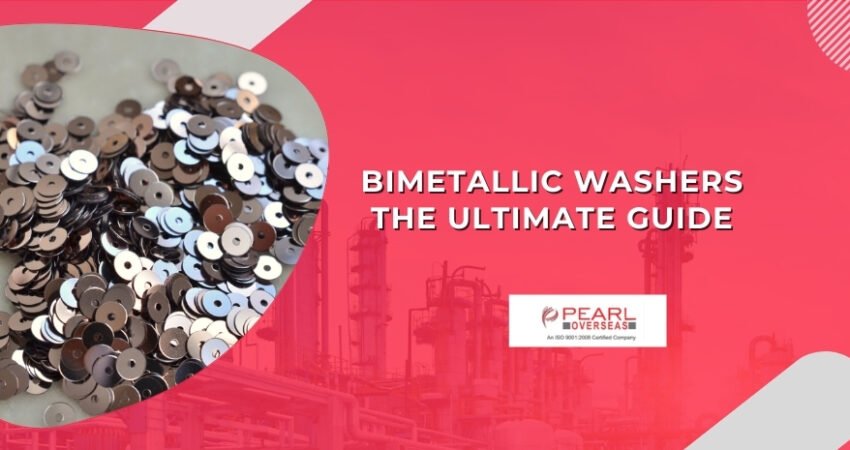
Bimetallic Washers: The Ultimate Guide to Uses, Benefits, and Maintenance
Bimetallic washers are essential engineering components designed to solve a common but critical problem: joining dissimilar metals without risking galvanic corrosion. This ultimate guide explores the structure, working principles, and wide-ranging applications of these specialized washers. By bonding two different metals, such as copper and aluminum, they combine the unique benefits of each to ensure mechanical stability and reliable electrical conductivity. From electronics and automotive to marine and heavy engineering, understanding the bimetallic washer uses is key for any professional seeking high-performance, long-lasting connection solutions.
What Are Bimetallic Washers and Why Are They Crucial?
A bimetallic washer is a composite washer made by metallurgically bonding two different metals. The most common type is the copper-aluminum washer. Their primary purpose is to create a safe and durable transition point when joining a copper conductor to an aluminum one.
- Prevents Galvanic Corrosion: When two different metals are in contact in the presence of an electrolyte (like moisture), an electrochemical reaction occurs, causing one metal to corrode rapidly. Bimetallic washers act as a barrier, preventing this direct contact and extending the life of the joint.
- Maintains Electrical Conductivity: By ensuring a stable, corrosion-free connection, they guarantee efficient and reliable electrical flow, which is critical in power distribution and electronic assemblies.
- Enhances Mechanical Stability: They provide a solid, stable surface that distributes the load from a fastener evenly, preventing loosening due to vibration or thermal expansion.
Common Materials Used in Bimetallic Washers
Bimetallic washers are fabricated by fusing two metals to leverage their combined properties. The choice of materials depends on the specific application, environmental conditions, and required performance.
- Copper-Aluminum Washers: This is the most common combination, ideal for electrical applications. It safely connects aluminum conductors to copper terminals, offering high conductivity while preventing corrosion.
- Stainless Steel-Copper Washers: This pairing offers the high strength and superior corrosion resistance of stainless steel with the excellent conductivity of copper, making it perfect for demanding industrial and marine environments.
- Copper-Brass Washers: Combining good mechanical strength with reliable conductivity, this type is often used in automotive and plumbing applications where moderate corrosion resistance is needed.
Primary Applications Across Industries
The versatility of bimetallic washers makes them indispensable in numerous sectors where joining dissimilar metals is necessary. You may also like: Bimetallic Washers in Electronics Components.
- Electrical & Power Distribution: Used extensively in switchgear, busbars, and transformers to connect aluminum cables to copper terminals safely.
- Automotive: Essential for connecting battery terminals and wiring harnesses where both copper and aluminum components are used.
- Marine: Provides durable, corrosion-resistant connections in harsh saltwater environments for electrical systems and structural assemblies.
- Renewable Energy: Used in solar panel installations and wind turbines to ensure efficient and long-lasting electrical connections.
Installation and Maintenance Best Practices
Proper installation and maintenance are key to maximizing the lifespan and effectiveness of bimetallic washers. Following these best practices will prevent joint failure and ensure system reliability.
- Surface Preparation: Before installation, ensure all contact surfaces are clean, dry, and free of oxidation or grease to achieve optimal conductivity.
- Correct Orientation: Always place the washer with the correct metal facing its corresponding surface (e.g., copper side against the copper conductor, aluminum side against the aluminum conductor).
- Proper Torque: Use a torque wrench to tighten fasteners to the manufacturer’s specifications. Over-tightening can damage the washer, while under-tightening can lead to a loose, high-resistance connection.
- Regular Inspections: Periodically check connections for signs of corrosion, overheating (discoloration), or physical damage, especially in high-stress or harsh environments.
Future Trends and Innovations
The future of bimetallic washers is being shaped by advancements in material science and manufacturing. Innovations are focused on enhancing performance for next-generation applications.
- Advanced Material Combinations: Research is ongoing to develop new metal pairings that offer even better conductivity, strength, and corrosion resistance for extreme environments.
- Lightweight Designs: Thinner yet stronger washers are being developed to reduce overall component weight, a critical factor in the aerospace and automotive industries.
- Application-Specific Customization: Manufacturers are increasingly creating washers tailored for specific uses, such as high-voltage electronics or specialized industrial machinery, to meet precise performance needs.
Conclusion
Bimetallic washers are far more than simple hardware; they are critical components that ensure the safety, reliability, and longevity of electrical and mechanical assemblies. By effectively preventing galvanic corrosion while maintaining mechanical stability and electrical conductivity, they solve a fundamental engineering challenge. As technology continues to advance, this ultimate guide shows that the role of bimetallic washers will only become more vital across all industries.
FAQs
Q1: When should you use a bimetallic washer?
You should always use a bimetallic washer when creating a bolted connection between two dissimilar metals, especially copper and aluminum, to prevent galvanic corrosion and ensure a safe, long-lasting joint.
Q2: How do you install a copper-aluminum bimetallic washer correctly?
The washer must be oriented correctly: the copper face of the washer must be in contact with the copper surface, and the aluminum face must be in contact with the aluminum surface. Ensure surfaces are clean and tighten to the recommended torque.
Q3: Can bimetallic washers be reused?
It is generally not recommended to reuse bimetallic washers. During the initial installation, the washer deforms slightly to create a perfect seal. Reusing it may result in a poor connection, leading to increased resistance and potential failure.
Have questions or need to source high-quality bimetallic washers for your project? Contact us today or email us at export@pearlshims.com. We’re happy to provide expert guidance and help you choose the best options for your needs.